Focused arrival windows
Focused arrival windows: call (661) 440-1061 — Open 24 hours, Monday–Sunday. You get a straight answer about next steps and current availability, not a promised arrival time that cannot be kept.
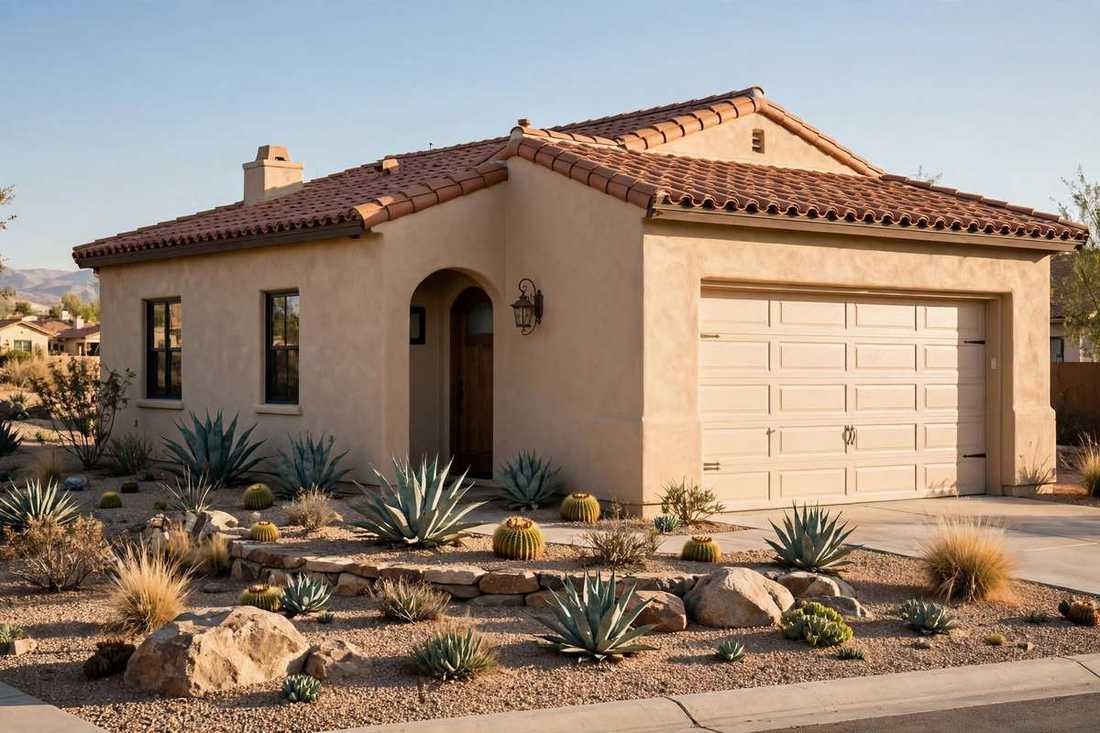
Garage door sensor repair Bakersfield fixes the door that reverses for no reason, refuses to close, or closes only while you hold the wall button down. Call (661) 440-1061 and check the two sensor lights first: in Bakersfield, a dusty lens or a bracket knocked by a stored box causes more sensor calls than any failed part.
Focused arrival windows: call (661) 440-1061 — Open 24 hours, Monday–Sunday. You get a straight answer about next steps and current availability, not a promised arrival time that cannot be kept.
You get the scope and the price before work starts, and the final price is set after inspection.
The work area is left tidy and old parts are shown on request, so you can see what was replaced and why.
Local accountability for garage door sensor repair: clean and realign sensors, repair wiring, replace the sensor pair if faulty, and test auto-reverse. Look for both sensor lights: one should be steady and one should respond to alignment; wipe both lenses and check brackets for knocks.
Every garage door sensor repair visit in Bakersfield covers the work below, and anything extra found is quoted before it is done. Clean and realign sensors, repair wiring, replace the sensor pair if faulty, and test auto-reverse.
Full Sensor Diagnosis for garage door sensor repair: look for both sensor lights: one should be steady and one should respond to alignment; wipe both lenses and check brackets for knocks. Dusty or sun-blinded lenses, misaligned brackets, damaged wiring, or a failed sensor unit.
Precision Realignment for garage door sensor repair: clean and realign sensors, repair wiring, replace the sensor pair if faulty, and test auto-reverse. Look for both sensor lights: one should be steady and one should respond to alignment; wipe both lenses and check brackets for knocks.
The work area is left tidy and old parts are shown on request, so you can see what was replaced and why.
Wiring Repair or Replacement for garage door sensor repair: clean and realign sensors, repair wiring, replace the sensor pair if faulty, and test auto-reverse. Look for both sensor lights: one should be steady and one should respond to alignment; wipe both lenses and check brackets for knocks.
Sensor Pair Replacement: Under UL 325, photoelectric sensors sit on each side no higher than 6 inches above the floor, and the door must auto-reverse within 2 seconds of contacting an obstruction. The door is cycled and the result shown before the visit ends.
UL 325 Reversal Test: Under UL 325, photoelectric sensors sit on each side no higher than 6 inches above the floor, and the door must auto-reverse within 2 seconds of contacting an obstruction. The door is cycled and the result shown before the visit ends.
For garage door sensor repair in Bakersfield, call (661) 440-1061 and tell us what your door is doing. Open 24 hours, Monday–Sunday. You get the scope and the price before work starts — final price after inspection.
Photoelectric sensors are the door's non-contact safety system: a beam across the opening, mounted at or below 6 inches on each side, that stops and reverses a closing door when broken. When the beam fails — dusty or sun-blinded lenses, a misaligned bracket, chewed or pinched wiring, or a dead sensor — the opener correctly refuses to close, and holding the wall button to force it closed bypasses the very protection that keeps children, pets and cars safe. Repair means finding which link failed: clean and realign first, then test wiring, then replace the sensor pair if the unit itself has failed.
Bakersfield is unusually hard on sensors. Valley dust films lenses within weeks, low sun glares into west-facing sensors on bright afternoons, and summer heat ages sensor housings and wiring. That is why a sensor visit checks mounting height and sun exposure as well as the electronics, and why sensor lenses join the monthly household routine: a wipe takes a minute and prevents the most common 'door won't close' call in the valley. After repair, the auto-reverse is tested to reverse within 2 seconds, because sensors and contact reverse are two halves of the same UL 325 protection. Related work: Garage Door Opener Repair, Garage Door Safety Inspection; areas: Downtown Bakersfield, Oildale, Rosedale.
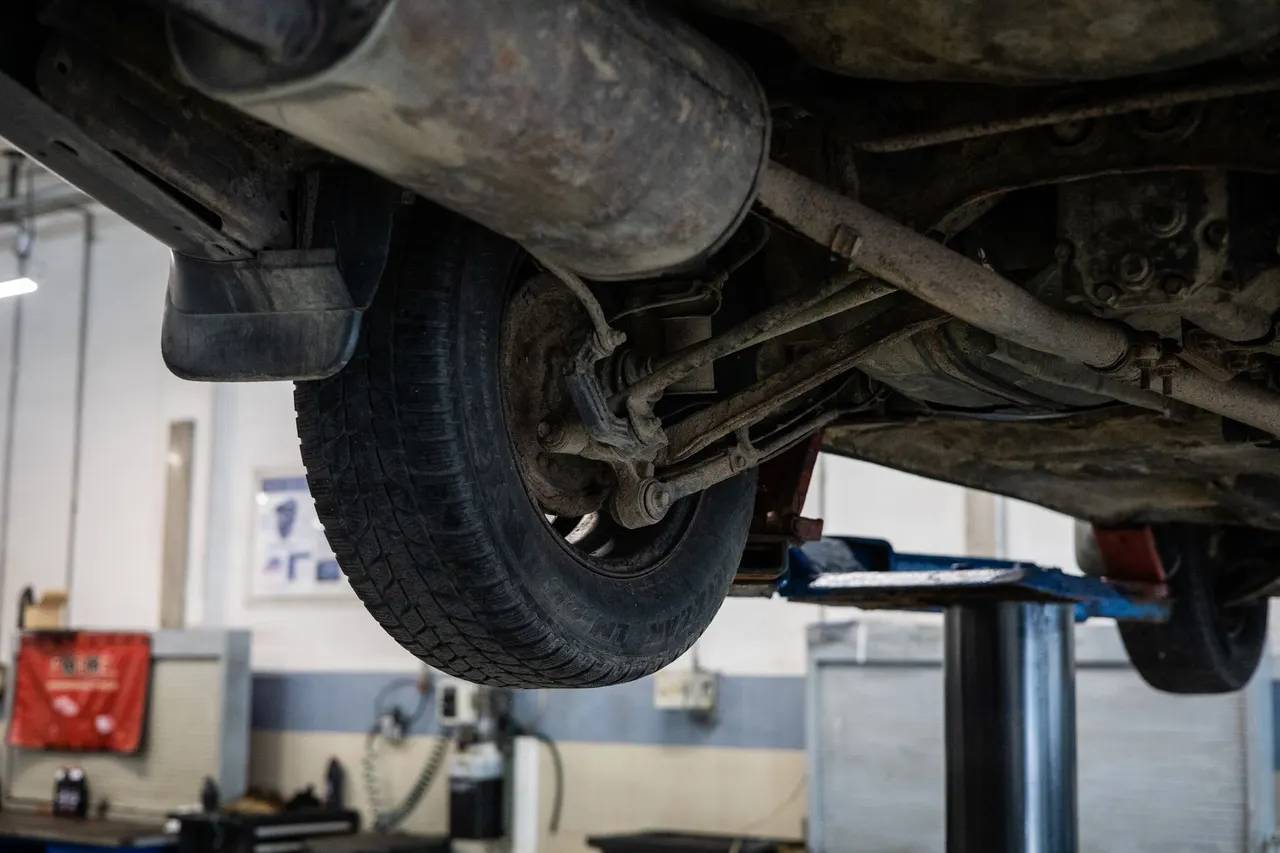
Phone Diagnosis for garage door sensor repair: look for both sensor lights: one should be steady and one should respond to alignment; wipe both lenses and check brackets for knocks. Dusty or sun-blinded lenses, misaligned brackets, damaged wiring, or a failed sensor unit.
On-Site Safety Test: Under UL 325, photoelectric sensors sit on each side no higher than 6 inches above the floor, and the door must auto-reverse within 2 seconds of contacting an obstruction. The door is cycled and the result shown before the visit ends.
Wire and Voltage Check for garage door sensor repair: clean and realign sensors, repair wiring, replace the sensor pair if faulty, and test auto-reverse. Look for both sensor lights: one should be steady and one should respond to alignment; wipe both lenses and check brackets for knocks.
Repair or Replace for garage door sensor repair: clean and realign sensors, repair wiring, replace the sensor pair if faulty, and test auto-reverse. Look for both sensor lights: one should be steady and one should respond to alignment; wipe both lenses and check brackets for knocks.
Reversal Test and Walkthrough: Under UL 325, photoelectric sensors sit on each side no higher than 6 inches above the floor, and the door must auto-reverse within 2 seconds of contacting an obstruction. The door is cycled and the result shown before the visit ends.
Digital multimeter for garage door sensor repair: clean and realign sensors, repair wiring, replace the sensor pair if faulty, and test auto-reverse. Look for both sensor lights: one should be steady and one should respond to alignment; wipe both lenses and check brackets for knocks.
Sensor pairs: Under UL 325, photoelectric sensors sit on each side no higher than 6 inches above the floor, and the door must auto-reverse within 2 seconds of contacting an obstruction. The door is cycled and the result shown before the visit ends.
Sensor kits: Under UL 325, photoelectric sensors sit on each side no higher than 6 inches above the floor, and the door must auto-reverse within 2 seconds of contacting an obstruction. The door is cycled and the result shown before the visit ends.
Low-voltage wire and protective sleeve for garage door sensor repair: clean and realign sensors, repair wiring, replace the sensor pair if faulty, and test auto-reverse. Look for both sensor lights: one should be steady and one should respond to alignment; wipe both lenses and check brackets for knocks.
Level and tape measure: the opening, track plumb and door squareness are measured before anything is adjusted, because alignment done by eye does not hold.
Power drill and screwdriver set for garage door sensor repair: clean and realign sensors, repair wiring, replace the sensor pair if faulty, and test auto-reverse. Look for both sensor lights: one should be steady and one should respond to alignment; wipe both lenses and check brackets for knocks.
Safety glasses: Under UL 325, photoelectric sensors sit on each side no higher than 6 inches above the floor, and the door must auto-reverse within 2 seconds of contacting an obstruction. The door is cycled and the result shown before the visit ends.
UL 325 reversal testing: Under UL 325, photoelectric sensors sit on each side no higher than 6 inches above the floor, and the door must auto-reverse within 2 seconds of contacting an obstruction. The door is cycled and the result shown before the visit ends.
DASMA-aligned inspection habits for garage door sensor repair means work to manufacturer guidance with the UL 325 safety checks run at the end: sensors at or below 6 inches and auto-reverse within 2 seconds. Clean and realign sensors, repair wiring, replace the sensor pair if faulty, and test auto-reverse.
Voltage-first diagnosis for garage door sensor repair: look for both sensor lights: one should be steady and one should respond to alignment; wipe both lenses and check brackets for knocks. Dusty or sun-blinded lenses, misaligned brackets, damaged wiring, or a failed sensor unit.
Sleeved wire replacement for garage door sensor repair: clean and realign sensors, repair wiring, replace the sensor pair if faulty, and test auto-reverse. Look for both sensor lights: one should be steady and one should respond to alignment; wipe both lenses and check brackets for knocks.
That visit starts with look for both sensor lights: one should be steady and one should respond to alignment; wipe both lenses and check brackets for knocks. Clean and realign sensors, repair wiring, replace the sensor pair if faulty, and test auto-reverse. Before leaving, the door is cycled and the safety checks run — sensors at or below 6 inches and auto-reverse within 2 seconds where an opener is involved — and you are shown what changed and what to watch for.
That visit starts with look for both sensor lights: one should be steady and one should respond to alignment; wipe both lenses and check brackets for knocks. Clean and realign sensors, repair wiring, replace the sensor pair if faulty, and test auto-reverse. Before leaving, the door is cycled and the safety checks run — sensors at or below 6 inches and auto-reverse within 2 seconds where an opener is involved — and you are shown what changed and what to watch for.
That visit starts with look for both sensor lights: one should be steady and one should respond to alignment; wipe both lenses and check brackets for knocks. Clean and realign sensors, repair wiring, replace the sensor pair if faulty, and test auto-reverse. Before leaving, the door is cycled and the safety checks run — sensors at or below 6 inches and auto-reverse within 2 seconds where an opener is involved — and you are shown what changed and what to watch for.
That visit starts with look for both sensor lights: one should be steady and one should respond to alignment; wipe both lenses and check brackets for knocks. Clean and realign sensors, repair wiring, replace the sensor pair if faulty, and test auto-reverse. Before leaving, the door is cycled and the safety checks run — sensors at or below 6 inches and auto-reverse within 2 seconds where an opener is involved — and you are shown what changed and what to watch for.
Garage Door Sensor Repair in Bakersfield is shaped by this valley: summer highs of 94–99°F with 105–110°F heat waves, valley dust, wildfire smoke, and winter tule fog, across housing from the pre-1970s core to 2000s Northwest and Southwest tracts (citywide median construction year 1990). The areas below are where garage door sensor repair work most often runs, and the permit office depends on the address: City of Bakersfield for city addresses, Kern County for Oildale, Rosedale, Greenacres and other unincorporated areas.
Rosedale straddles the city/county line along Rosedale Hwy, so the permit office depends on the street address. Newer tract doors sit alongside older community doors, and dust from surrounding farmland works into tracks and sensors. For garage door sensor repair here, clean and realign sensors, repair wiring, replace the sensor pair if faulty, and test auto-reverse.
Oildale is an unincorporated Kern County community north of the Kern River, so county permitting — not the City of Bakersfield — applies to addresses here. Its older doors and oil-field and agricultural dust make track, roller and sensor cleaning part of the job. For garage door sensor repair here, clean and realign sensors, repair wiring, replace the sensor pair if faulty, and test auto-reverse.
Seven Oaks is a Southwest master-planned community developed from the 1990s onward, with Mediterranean stucco-and-tile homes. Its builder doors and openers are now reaching replacement age, and gated enclaves often require HOA approval for visible changes. For garage door sensor repair here, clean and realign sensors, repair wiring, replace the sensor pair if faulty, and test auto-reverse.
Downtown holds the city's oldest stock — median construction year 1973 — with non-standard and alley-access garages, tight access and pre-1993 openers that lack modern entrapment protection. For garage door sensor repair here, clean and realign sensors, repair wiring, replace the sensor pair if faulty, and test auto-reverse.
Summer heat is the defining Bakersfield factor for garage door sensor repair: average summer highs of 94–99°F, with heat waves at 105–110°F, expand steel, thin lubricant, and age plastic, rubber and electronic parts. Clean and realign sensors, repair wiring, replace the sensor pair if faulty, and test auto-reverse.
Valley dust is the year-round Bakersfield factor for garage door sensor repair: fine agricultural and road dust works into tracks, rollers, hinges and sensor lenses, and mixed with old lubricant it becomes grit. Clean and realign sensors, repair wiring, replace the sensor pair if faulty, and test auto-reverse.
Winter brings the other Bakersfield extreme for garage door sensor repair: highs of 57–61°F, lows of 38–42°F, multi-day tule fog, and winter rain. Cold stiffens springs and seals, fog moisture speeds corrosion on hardware and bottom sections, and water pooling at the apron finds every failed seal. Clean and realign sensors, repair wiring, replace the sensor pair if faulty, and test auto-reverse.
Near open fields, rodents chew sensor and opener wiring, which reads exactly like a failed sensor or board. For garage door sensor repair, wiring is inspected along its run, not just at the unit, before parts are replaced.
In Bakersfield, a typical garage door sensor repair visit starts with look for both sensor lights: one should be steady and one should respond to alignment; wipe both lenses and check brackets for knocks. Dusty or sun-blinded lenses, misaligned brackets, damaged wiring, or a failed sensor unit.
Clean and realign sensors, repair wiring, replace the sensor pair if faulty, and test auto-reverse. The door is then cycled, balanced, and safety-tested before the visit ends.
Wipe sensor lenses monthly and keep stored items clear of the brackets; most Bakersfield sensor calls are dust or a bumped bracket, not a dead sensor.
Most garage door sensor repair calls in Bakersfield come down to a handful of problems. Dusty or sun-blinded lenses, misaligned brackets, damaged wiring, or a failed sensor unit.
In Bakersfield this usually comes back to dusty or sun-blinded lenses, misaligned brackets, damaged wiring, or a failed sensor unit. Clean and realign sensors, repair wiring, replace the sensor pair if faulty, and test auto-reverse. Call (661) 440-1061 if you see it: a door that reverses for no reason, will not close, or closes only while the wall button is held left alone tends to load the next part in line.
In Bakersfield this usually comes back to dusty or sun-blinded lenses, misaligned brackets, damaged wiring, or a failed sensor unit. Clean and realign sensors, repair wiring, replace the sensor pair if faulty, and test auto-reverse. Call (661) 440-1061 if you see it: a door that reverses for no reason, will not close, or closes only while the wall button is held left alone tends to load the next part in line.
In Bakersfield this usually comes back to dusty or sun-blinded lenses, misaligned brackets, damaged wiring, or a failed sensor unit. Clean and realign sensors, repair wiring, replace the sensor pair if faulty, and test auto-reverse. Call (661) 440-1061 if you see it: a door that reverses for no reason, will not close, or closes only while the wall button is held left alone tends to load the next part in line.
In Bakersfield this usually comes back to dusty or sun-blinded lenses, misaligned brackets, damaged wiring, or a failed sensor unit. Clean and realign sensors, repair wiring, replace the sensor pair if faulty, and test auto-reverse. Call (661) 440-1061 if you see it: a door that reverses for no reason, will not close, or closes only while the wall button is held left alone tends to load the next part in line.
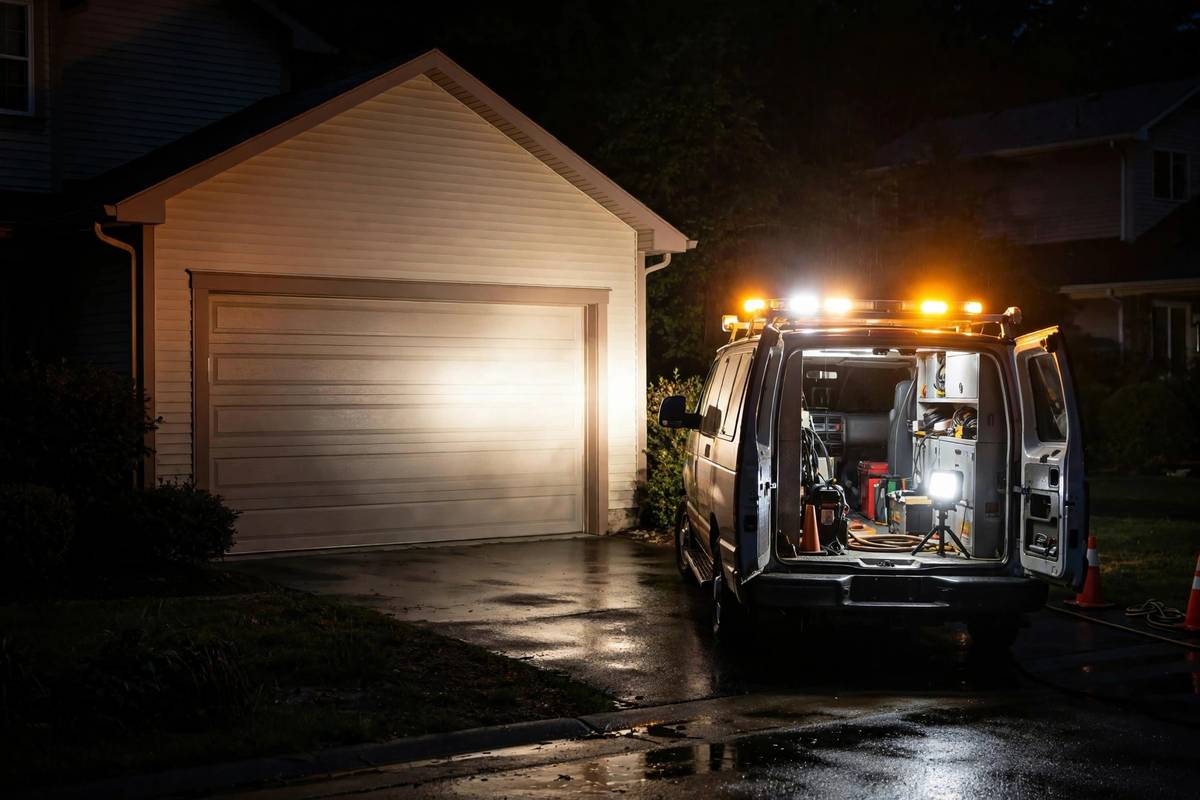
For garage door sensor repair across Bakersfield, the pattern is consistent: dusty or sun-blinded lenses, misaligned brackets, damaged wiring, or a failed sensor unit. Clean and realign sensors, repair wiring, replace the sensor pair if faulty, and test auto-reverse.
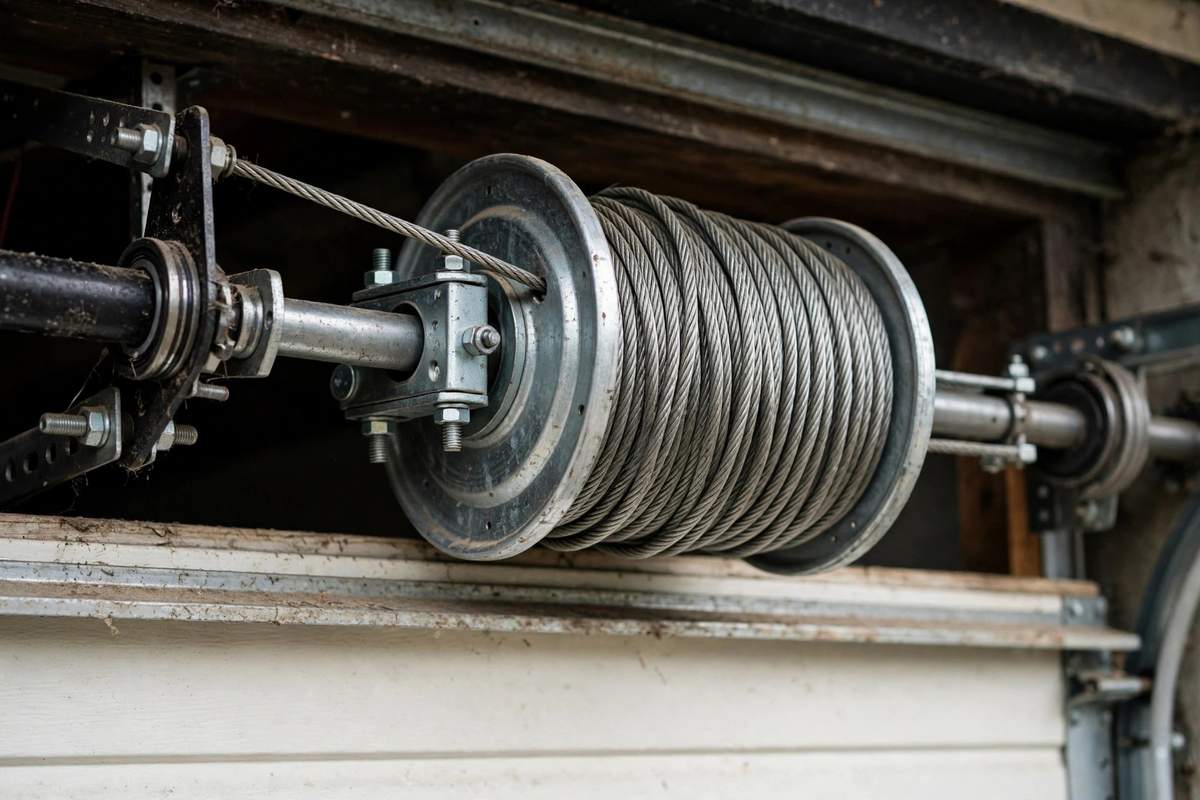
Rated 5.0 stars from 11 Google reviews. The five reviews below are shown exactly as posted on Google; six further Google reviews are not reproduced here.
Arrived quickly, within 30 minutes of calling. Repaired our garage door quickly as well 10/10
Called for garage door issue, not moving up and down,. He showed up in 5-7 minutes, ( after hours) , explained possible issues and what needs to repair, he is well knowledgeable , gave reasonable price quotes and fixed issue less than 30 min.
I would totally recommend The Good Guy Garage Doors. Luis' efficiency and punctuality is key. He took the time to set up the garage door opener with us. Explained how to use the app and remotes for the unit. My garage sounds so much quieter and smoother than the original one. Thanks Luis for this excellent service.
Great job, he put in a new opener couple months back, showed me how to run the app for the opener, my spring snapped from old age and I called him last minute and he showed up and knocked it out for me! Best prices in town and customer service!
My door came off the tracks I called 2 other companies they couldn't fix it. I called the good guy and he was very knowledgeable and he was able to fix my door. Very good prices. Highly recommend.
Low sun glaring into a photoelectric sensor blinds the beam, and the opener correctly refuses to close. Shading the sensor, realigning it, or replacing a sun-damaged unit fixes it; taping over a sensor or holding the button to force closure bypasses a safety system and is not a fix.
As a market guide, not a quote — final price after inspection: typical repair visit $150–$350. That range comes from October 2026 market guides, not from this business, and your written price after inspection is the price that counts. Door size, weight, parts and what else is worn can move it.
Under UL 325, no higher than 6 inches above the floor on each side of the opening. Sensors mounted higher can miss a child or pet in the path, and a sensor visit corrects height as well as alignment.
Yes, and it is the right first step: wipe both lenses with a soft cloth and check both sensor lights and brackets. If cleaning and realignment do not restore normal closing, the wiring or the sensor unit needs a visit — call (661) 440-1061.
A like-for-like repair does not normally trigger a building permit, but work that widens or moves an opening, changes the header or framing, converts the garage, or adds a new electrical circuit is different. We confirm the permit position with the City of Bakersfield Building Division (1715 Chester Ave, (661) 326-3720) for city addresses, or Kern County for unincorporated addresses, before that kind of work starts. No Bakersfield permit fee is stated on this page — none was verified.
Not seeing your question? Call (661) 440-1061 — Open 24 hours, Monday–Sunday.
Ask the local team
For humming, reversing or unresponsive openers: sensors, gears, boards and settings diagnosed in order.
View service
A standalone safety check: springs, cables, sensors, auto-reverse, balance, and the garage-to-house door.
View service
The annual visit that prevents stuck doors: inspection, lubrication, balance and safety tests.
View service
The general repair visit: springs, cables, rollers, tracks, sensors and openers diagnosed as one system.
View service
Call The Good Guys Garage Doors at (661) 440-1061. Open 24 hours, Monday–Sunday. We are a service-area-only business serving Bakersfield, CA 93311, so there is no street address to visit — the visit comes to you. Tell us what your door is doing and we will give you a straight answer about next steps.